Reanny Medical Devices Management Consulting Co., Ltd.
Focused · dedicated · professional
Head Office
0755-27391220
Guangzhou Company
020-82513196

Focused · dedicated · professional
Head Office
0755-27391220
Guangzhou Company
020-82513196
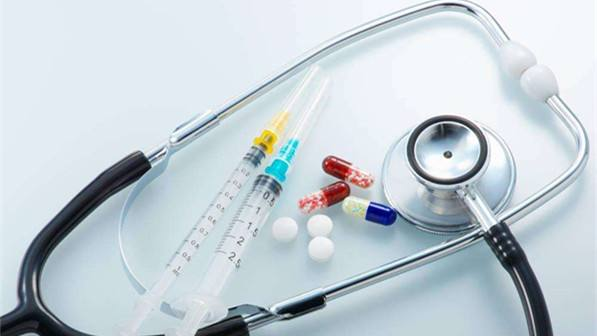
In today's society where health awareness is increasing, the safety, effectiveness, and controllable quality of drugs are undoubtedly one of the most concerning topics for the public. The National Medical Products Administration (NMPA), as the gatekeeper before the launch of drugs in China, its registration process is not only a crucial step in ensuring drug safety, but also a bridge connecting scientific research and innovation with public health. Today, let's step into the world of NMPA registration together, delve deeper into this rigorous and complex process, and understand how it promotes continuous progress and innovation in the pharmaceutical industry while safeguarding our health.NMPA registration is a necessary path for drugs from research and development to market. It is like a rigorous test to ensure that every drug can bring hope to patients on the premise of safety and effectiveness. This process begins with laboratory research on drugs, where scientists screen out drug molecules with potential therapeutic value through countless experiments and validations. Subsequently, these candidate drugs will enter the clinical trial phase, which is a large-scale experiment involving thousands or even tens of thousands of participants aimed at evaluating the safety, efficacy, and optimal dosage of the drugs.Clinical trials are divided into multiple stages, from preliminary safety assessment to large-scale efficacy verification, and each step requires strict adherence to scientific standards. Any minor abnormalities may become the key to whether the drug can continue to be developed. Only when all clinical trial data indicate that the drug is safe and effective, and the side effects are within an acceptable range, will this drug be submitted to NMPA for review.The review process of NMPA is equally rigorous and meticulous, including comprehensive evaluation of various aspects such as drug quality, production process, clinical trial data, and labeling instructions. This process often takes months or even years, as the review team not only ensures the quality and efficacy of the drug itself, but also examines the quality control system of the manufacturing enterprise to ensure that each batch of products meets the same high standards.It is precisely such strict supervision that has given the public solid confidence in the safety of drugs. NMPA registration is not just an administrative procedure, it is also a respect for life and the protection of health. Through this process, we can ensure that the drugs on the market not only effectively treat diseases, but also minimize adverse reactions and ensure the safety of patients' medication.The significance of NMPA registration goes far beyond that. It also bears the responsibility of promoting innovation and development in the pharmaceutical industry. Under strict supervision, pharmaceutical companies must continuously enhance their research and development capabilities, adopt advanced technologies and methods to improve the efficacy and safety of drugs. At the same time, NMPA also encourages and supports the research and development of new drugs, by establishing priority review channels and accelerating approval processes, to promote the rapid launch of clinically valuable new drugs and meet the unmet medical needs of patients.NMPA actively participates in international cooperation and exchanges, draws on advanced international experience, and continuously improves China's drug regulatory system. This not only enhances the international competitiveness of China's drugs, but also contributes Chinese wisdom and solutions to global drug safety.For the general public, understanding the process and importance of NMPA registration is equally crucial. This not only helps us to have a correct understanding and use of drugs, but also enhances our confidence in drug safety. Every time we pick up a pill or injection, we should feel the rigor and responsibility behind the NMPA registration, which is carefully prepared for our health.NMPA registration also plays an irreplaceable role in promoting innovation in the pharmaceutical industry. It encourages pharmaceutical companies to increase their R&D investment and continuously explore new therapeutic fields and methods. Meanwhile, by optimizing the review process and improving review efficiency, NMPA has paved the way for the rapid launch of new drugs. This not only helps meet the urgent medical needs of patients, but also promotes the healthy development of the entire pharmaceutical industry.Looking back, it is not difficult to find that NMPA registration has achieved significant results in safeguarding public health. Countless diseases that were once difficult to cure have been effectively controlled or even eradicated due to the launch of new drugs; Many rare disease patients have also ushered in the dawn of life as a result. Behind these achievements, we cannot do without the strict checkpoints and unremitting efforts of NMPA registration.Looking ahead, with the advancement of technology and the development of medicine, NMPA registration will face more challenges and opportunities. We have reason to believe that with the continuous efforts of NMPA, China's drug regulatory system will become more perfect and efficient; Our pharmaceutical industry will become more prosperous and innovative; And the public's health and well-being will also be more firmly guaranteed.Here, we also call on readers and consumers to correctly understand and comprehend the importance of NMPA registration. When choosing drugs, it is important to identify products registered through NMPA, as this is a basic guarantee for one's own and family's health. Meanwhile, please also provide us with more understanding and support for the pharmaceutical industry, as every individual is an indispensable force on this path to health.If you or someone around you is looking for safe and effective medication treatment options, you may want to pay attention to those drugs that have already been registered through NMPA. They not only represent scientific progress and medical breakthroughs, but also carry respect for life and protection of health. Let's join hands and create a healthier and better future together!
401In today's society where health awareness is increasing, the regulation and registration of drugs have become a hot topic of great concern to the public, medical institutions, and pharmaceutical companies. Especially CFDA (China Food and Drug Administration, now known as National Medical Products Administration), its registration process and standards play a crucial role in ensuring the quality, safety, and effectiveness of drugs. This article will provide a detailed introduction to the relevant knowledge of CFDA registration, enhance public awareness and understanding of the drug registration process, and improve the transparency and credibility of the pharmaceutical industry. At the same time, we provide professional guidance and advice to pharmaceutical companies to help them pass registration and review smoothly, promote the research and development and market launch of pharmaceutical products, and ultimately safeguard the health and well-being of the general public.1、 The Importance and Significance of CFDA RegistrationThe National Medical Products Administration (formerly known as CFDA) is the main government agency responsible for drug registration and management in China. Its core responsibility is to ensure the safety, effectiveness, and quality controllability of drugs. Through a strict registration and approval process, it is possible to effectively prevent unqualified or unverified drugs from entering the market, thereby protecting public health. In addition, CFDA also undertakes continuous monitoring and management of marketed drugs to ensure that the drugs circulating in the market always meet national standards.2、 Overview of CFDA Registration ProcessDrug registration is a complex and rigorous process that typically includes the following main stages:Pre preparation: including drug development, clinical trials, and preparation of application materials. At this stage, pharmaceutical companies need to invest a lot of time and energy in basic research, pharmacological and toxicological experiments, and multi-stage clinical trials of drugs to ensure their safety and effectiveness.Submit application materials: After completing the preliminary preparation work, the enterprise needs to submit detailed drug registration application materials to the National Medical Products Administration. These materials typically include detailed information such as the chemical structure of the drug, production process, quality control standards, clinical trial data, etc.Technical review: After receiving the application materials, the National Medical Products Administration will organize experts to conduct a detailed review of the application materials. The review content includes aspects such as drug efficacy, safety, and quality control. This process may take several months or even years, depending on the complexity of the drug and the progress of the review.On site inspection: In some cases, during the evaluation process, on-site inspections of the company's production base may be arranged to verify the authenticity of the application materials and the compliance of the production process.Approval and certification: If the drug passes the technical review and on-site inspection, the National Medical Products Administration will issue a drug registration certificate, allowing the drug to be sold and used in the market.3、 Requirements for CFDA registrationTo ensure the quality and safety of drugs, CFDA has put forward strict requirements for drug registration:Data authenticity: All submitted materials must be truthful and reliable, and any false information may result in the rejection of the application or revocation of the drug registration certificate.Clinical trial standardization: Clinical trials must be conducted in accordance with internationally recognized scientific standards and ethical guidelines to ensure the accuracy and reproducibility of trial results.Production quality management: The production facilities and operating procedures of enterprises must comply with GMP (Good Manufacturing Practice) standards to ensure the consistency and stability of drug production.4、 The significance of CFDA registrationCFDA registration is not only a necessary condition for drug listing, but also an important means to ensure public drug safety. Through strict registration processes and standards, safe and effective drugs can be effectively screened, reducing the occurrence of adverse drug reactions and improving public health. In addition, CFDA registration also helps promote technological innovation and development in the pharmaceutical industry, and facilitate the upgrading and transformation of the pharmaceutical industry.Understanding the relevant knowledge of CFDA registration is of great significance for enhancing public awareness and understanding of the drug registration process. At the same time, pharmaceutical companies should strictly follow the requirements of CFDA to carry out drug research and registration work, ensure the quality and safety of drugs, and jointly safeguard the health and well-being of the public.
399In the context of globalization today, the regulation of medical devices is receiving increasing attention. MDSAP (Medical Device Single Audit Program) certification is an international medical device quality management system certification aimed at promoting trade facilitation among member countries, reducing duplicate audits, and improving the safety and effectiveness of medical devices. With the continuous advancement of medical technology and the expansion of the global market, the importance of MDSP certification is becoming increasingly prominent. This article will delve into the significance, process, and impact of MDSAP certification on the medical device industry. It will explore how to improve the management level and product quality of enterprises through this certification program, as well as its role and challenges in the global medical device market.The core value of MDSAP certification lies in its ability to significantly simplify the process for medical device companies to sell products in multiple markets. Traditionally, medical device manufacturers often need to deal with different regulatory requirements and multiple quality audits in various countries or regions in order to enter different international markets. This not only increases the time cost and economic burden of the enterprise, but may also affect the speed of product launch due to differences in audit standards. MDSAP certification achieves the goal of "one audit, multi country access" by unifying the audit process and quality standards, allowing participating countries to mutually recognize each other's audit results. For medical device companies, this not only reduces repetitive labor and resource waste, but more importantly, accelerates the speed of new products entering the market and improves market competitiveness.The MDSAP certification process is rigorous and comprehensive. Firstly, enterprises need to submit detailed application documents, including a detailed description of the quality management system, product information, production facility details, etc. Next, an independent third-party organization will conduct document review and on-site audit to ensure that the company's quality management system meets the requirements of MDSAP. This process not only focuses on the safety and effectiveness of the product, but also emphasizes the stability and controllability of the production process. After a series of rigorous evaluations, the enterprise will obtain the MDSAP certification, which grants it the right to sell its products in all countries participating in MDSAP.For the medical device industry, the impact of MDSAP certification is profound. It not only enhances the international image of the enterprise, strengthens consumer trust in the brand, but also promotes the integration process of the global medical device market. By obtaining MDSAP certification, enterprises can more conveniently expand into international markets, reach a wider customer base, and drive technological innovation and product upgrades throughout the industry. In addition, MDSAP certification encourages enterprises to adopt internationally advanced quality management systems, promote standardization and normalization of internal management, which is of great significance for improving the operational efficiency and product quality of enterprises.MDSAP certification also faces some challenges. With the continuous expansion of the global medical device market and rapid technological development, how to improve efficiency while ensuring audit quality, avoiding excessive bureaucratic procedures and high costs, is a major challenge facing certification agencies and enterprises. In addition, differences in regulatory policies between different countries and regions may also bring certain complexities to the implementation of MDSAP. Therefore, continuously optimizing the certification process and strengthening international cooperation and communication are crucial to addressing these challenges.MDSAP certification, as an important international medical device quality management system certification, has significant value in promoting the healthy development of the global medical device industry. By gaining a deeper understanding of the significance, process, and impact of MDSAP certification on enterprises, companies can better seize opportunities in the international market, continuously improve their management level and product quality, and thus occupy a place in the global medical device market. At the same time, facing future development challenges, enterprises and certification bodies need to work together to continuously improve and perfect the MDSAP certification system to ensure its effectiveness and influence on a global scale.
402Medical device registration is a complex and rigorous process that involves multiple stages and regulatory requirements. The following is a comprehensive guide for medical device registration, helping you better understand and complete the registration process.1. Understand regulations and classificationsRegulatory basis: Familiar with relevant regulations such as the Regulations on the Supervision and Administration of Medical Devices and the Measures for the Administration of Medical Device Registration.Classification management: Medical devices are classified into Class I, Class II, and Class III based on risk levels, and registration requirements are strictly enforced step by step.2. Determine product classificationClassification definition: Determine the management category of the product based on the "Classification Catalogue of Medical Devices".Classification application: If unsure, you can apply to the drug regulatory department for classification definition.3. Prepare technical documentationProduct technical requirements: including performance indicators, inspection methods, etc.Research materials: such as biocompatibility, sterilization validation, stability studies, etc.Clinical evaluation: Provide clinical trial or comparison data of the same product category.Risk management: Submit risk management documents to ensure that product risks are controllable.4. Quality Management SystemSystem establishment: Establish a quality management system that complies with the "Medical Device Production Quality Management Specification".System assessment: Class II and III products must pass the on-site system assessment of the drug regulatory department.5. Product testingTesting agency: Select qualified testing agencies to conduct product testing.Testing item: Conduct full performance testing according to product technical requirements.6. Clinical evaluationClinical trials: High risk products require clinical trials, submission of trial plans and reports.Same variety comparison: Low risk products can be clinically evaluated through same variety comparison.7. Registration ApplicationApplication materials: Prepare registration application form, technical materials, quality management system documents, etc.Submit application: Submit a registration application to the provincial or national drug regulatory department.8. Technical reviewInitial review: The drug regulatory department conducts a formal review of the application materials.Expert review: Organize experts to conduct technical reviews and request additional information if necessary.9. Administrative approvalApproval decision: Based on the evaluation results, the drug regulatory department makes a decision on whether to approve the registration.Registration certificate issuance: After approval, the medical device registration certificate will be issued.10. Post listing supervisionAdverse event monitoring: Establish a system for monitoring and reporting adverse events.Regular reports: Submit regular risk assessment reports as required.Change management: If there are significant changes, a new registration or filing application is required.11. International registrationUnderstand target market regulations such as US FDA, EU CE certification, etc.Prepare international registration materials: Prepare technical documents and application materials according to the requirements of the target market.Choose a certification agency: Select a qualified certification agency for product certification.12. Common Problems and CountermeasuresIncomplete information: Prepare in advance to ensure the completeness of the information.Review not passed: Timely supplement and modify information based on feedback.Time delay: Reasonably arrange time and plan the registration process in advance.summaryMedical device registration involves multiple stages and regulatory requirements, requiring companies to possess strong technical and management capabilities. By thorough preparation and reasonable planning, the success rate of registration can be effectively improved, ensuring the smooth launch of products.
505Against the backdrop of rapid development of global medical technology, the medical device industry has ushered in unprecedented opportunities for growth. As a medical device enterprise, in order to stand out in the fierce market competition and ensure that products can enter the market smoothly and be widely accepted, obtaining the MDL (Medical Device Registration Certificate) has become a crucial step. MDL is not only a symbol of product legality, but also the cornerstone of ensuring patient health and safety. This article will delve into the entire process of MDL registration for medical devices, providing comprehensive and practical guidance for enterprises in the industry.1、 Regulatory requirements: strict and meticulousDifferent countries and regions have different regulatory requirements for medical devices, but overall they follow the principle of ensuring product safety and effectiveness. Taking the European Union as an example, its Medical Device Regulation (MDR) provides detailed regulations on product classification, technical documentation, clinical evaluation, and quality management systems. In the United States, the FDA regulates the safety and efficacy of medical devices through channels such as 510 (k) pre-market notifications and PMA pre-market approvals. Understanding and complying with the regulatory requirements of the target market is the primary task for medical device companies to register for MDL.2、 Application process: cumbersome yet necessaryThe application process for MDL registration usually includes the preparation stage, submission of the application, review and evaluation, and final approval or certification. In this process, enterprises need to prepare a large amount of materials including but not limited to product descriptions, technical specifications, clinical trial reports, quality management system documents, etc. In addition, multiple communications with regulatory agencies may be necessary to respond to their questions or additional requests. Although the process is cumbersome, each step is an important link in ensuring product quality and patient safety.3、 Required materials: Comprehensive and preciseThe types of materials required for MDL registration are diverse and require high precision and completeness. In addition to basic product information and technical documentation, it may also include production processes, raw material sources, quality control standards, user manuals, label instructions, etc. The preparation of these materials not only tests the professional knowledge and management ability of the enterprise, but also directly affects the success rate and approval time of the registration application. Therefore, planning ahead and carefully preparing each material is the key to improving registration efficiency.4、 Common Problems and Solutions: Flexibly Responding to ChallengesDuring the MDL registration process, companies may encounter various issues such as inaccurate understanding of regulations, incomplete preparation of materials, and slow approval progress. In response to these issues, it is recommended that enterprises strengthen cooperation with professional consulting agencies and obtain the latest regulatory information and registration guidelines in a timely manner; At the same time, establish a sound internal management system to ensure that all preparatory work is carried out in an orderly manner; In addition, maintaining active communication with regulatory agencies is also an effective way to solve problems and accelerate the approval process.5、 Comparing registration differences among different countries and regions: developing internationalization strategiesDue to differences in medical device regulations and registration processes among different countries and regions, companies need to fully consider these factors when formulating internationalization strategies. On the one hand, regional research and production bases can be established to meet local market demands and regulatory requirements nearby; On the other hand, strengthening international cooperation and exchanges to jointly promote the development and improvement of international standards for medical devices is also an effective way to reduce registration costs and enhance market competitiveness.6、 Improving Quality and Ensuring Safety: The Common Pursuit of the IndustryWhile pursuing MDL registration, medical device companies should pay more attention to improving product quality and ensuring patient safety. This is not only a manifestation of corporate social responsibility, but also the fundamental way to win market trust and long-term development. By continuously optimizing product design, improving production processes, and strengthening quality control measures, the safety and effectiveness of products are constantly improved to safeguard the health of patients.Medical device MDL registration is a complex and systematic process that involves multiple aspects such as regulatory requirements, application procedures, and required materials. In the face of this field where challenges and opportunities coexist, medical device companies should actively respond, flexibly adjust their strategies, continuously improve their professional capabilities and management levels, in order to meet the constantly changing market environment and regulatory needs.
533With the rapid development of global medical technology and the continuous improvement of people's health awareness, the demand for medical devices is increasing day by day. Meanwhile, ensuring the safety, effectiveness, and compliance with international standards of these devices has become particularly important. This has led to the increasing importance of medical device system certification, becoming a key step in ensuring product quality and enhancing corporate competitiveness.The process of medical device system certification is complex and rigorous, usually including the following key steps. Firstly, enterprises need to conduct self-assessment to confirm whether their production and management systems meet the requirements of relevant regulations and standards. Next, the enterprise needs to submit application materials to the certification body for review. During the audit process, the certification body will dispatch a professional audit team to conduct a comprehensive inspection of the company's quality management system, production processes, technical documents, etc. After passing the audit, the enterprise will obtain the corresponding certification certificate, which marks a significant increase in the recognition of its products in the international market.The significance of medical device system certification is not only to ensure product quality, but also to enhance the market trust and competitiveness of enterprises. For consumers, certified products mean higher safety, effectiveness, and quality assurance, thereby increasing their trust in the product. For enterprises, certification can enter more international markets, expand sales channels, and enhance brand image. In addition, the certification process can promote the standardization and improvement of internal management in enterprises, optimize resource allocation, reduce production costs, and improve production efficiency.Specifically, medical device system certification has a significant impact on improving the safety and effectiveness of medical devices. For example, in ISO 13485 certification, companies are required to establish strict quality control systems in design and development, production process control, procurement management, and other aspects. Through these measures, safety hazards caused by design defects or improper production processes can be effectively avoided, ensuring the reliability and stability of the product. At the same time, ISO 13485 emphasizes the monitoring and feedback mechanism for adverse events, enabling companies to promptly identify and address potential safety issues, further improving the safety of product use.Taking a well-known medical device company as an example, the company underwent comprehensive ISO 13485 certification before its products were launched. During the certification process, the audit team found that one of its heart stent products had design deficiencies that could lead to the risk of rupture after long-term use. The company immediately made design improvements based on the audit comments and upgraded the production line. In the end, this heart stent successfully passed certification and received a good response in the market. This case fully demonstrates the important role of medical device system certification in ensuring product safety.In addition to ISO 13485, there are other important medical device system certification standards such as CE marking, FDA certification, etc. These certification standards each have their own focus, but the common goal is to ensure the quality and safety of medical devices. For example, the CE mark is mainly aimed at the European market, requiring products to comply with relevant EU regulations and technical standards; FDA certification is a symbol of strict review and management of medical devices by the US Food and Drug Administration. Regardless of the type of certification, it reflects the international community's high concern for the safety and effectiveness of medical devices.In order to further promote the development and progress of the medical device industry, governments and international organizations around the world are constantly improving relevant regulations and standards. For example, in recent years, China has successively introduced a series of new policies and regulations on the regulation of medical devices, aiming to strengthen the full lifecycle management of medical devices, improve product quality and safety. The implementation of these policies not only helps to protect the health rights of patients, but also provides a more fair competitive environment for domestic medical device companies.The importance of medical device system certification as an important means to ensure product quality and enhance enterprise competitiveness is self-evident. Through strict certification processes and high standard management requirements, the safety and effectiveness of medical devices can be effectively improved, safeguarding the health of patients. At the same time, it also calls on people inside and outside the industry to pay attention to and support high standard medical device production and management, and jointly promote the healthy development of the entire industry.
548Head Office
Headquarters Address:Room 1509, Jingting Building, Dongzhou Community,
Guangming Street, Guangming District, Shenzhen
Phone:+86-0755-27391220
Guangzhou Company
Address:Room 506, No.3-bis, Houwangmiao Street, Shigang Road, Haizhu District, Guangzhou
Phone:+86-020-82513196
Mobile Phone:+8618127257501(WeChat Account)


Phone
0755-27391220
020-82513196
WeChat customer service
Mini Program
reanny@reanny.com