Reanny Medical Devices Management Consulting Co., Ltd.
Focused · dedicated · professional
Head Office
0755-27391220
Guangzhou Company
020-82513196

Focused · dedicated · professional
Head Office
0755-27391220
Guangzhou Company
020-82513196
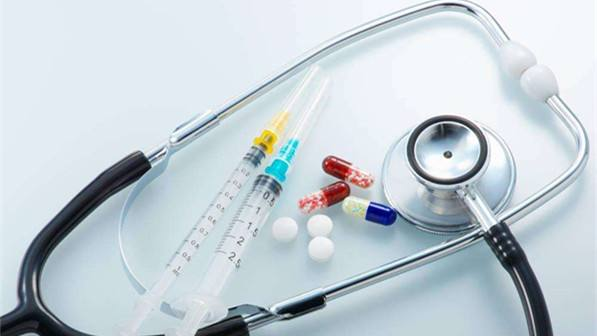
Medical device registration agency is a complex and rigorous process that involves multiple links and steps. For companies wishing to enter the market, understanding this process is crucial.It should be clarified that medical device registration agents are usually executed by professional agency companies or institutions. These agencies have rich experience and professional knowledge, and can provide comprehensive services for enterprises. Before starting registration, the agency will have in-depth communication with the enterprise to understand the characteristics, uses, and registration needs of the product. This step is the foundation for ensuring the smooth progress of subsequent registration work.Next, the agency will conduct a detailed review and organization of the materials submitted by the enterprise. This includes the qualification certificate of the enterprise, technical documents of the product, clinical trial reports (if applicable), quality management system documents, etc. The agency needs to ensure the authenticity and completeness of these materials in order to pass the review smoothly in the subsequent registration process.After all the necessary documents are prepared, the agency will submit a registration application to the relevant medical device regulatory agency. This step typically involves filling out a detailed application form and attaching all necessary supporting documents. The agency needs to carefully verify the information in the application form to ensure accuracy and correctness. Once the application is submitted, the agency needs to patiently wait for the regulatory agency's review results.During the review process, regulatory authorities may question the application materials or request additional information. At this point, the agency will promptly communicate with the enterprise and assist in preparing corresponding response materials or supplementary information. This ability to communicate and coordinate is one of the important advantages of an agency.If the application passes the review smoothly, the regulatory agency will issue a medical device registration certificate to the enterprise. This certificate is an important proof for the legal listing and sale of enterprise products. However, even if a company obtains a registration certificate, it cannot take it lightly. Because medical device registration has a validity period, usually several years. Before the expiration of the registration certificate, enterprises need to handle the renewal registration procedures in advance to ensure the continued legality of the product.In addition to the basic process mentioned above, medical device registration agency also involves some special steps and precautions. For example, the registration process may vary for different types of medical devices, such as conventional medical devices and innovative medical devices. Due to the involvement of new technologies, materials, or processes, the registration process for innovative medical devices may be more complex and rigorous. Therefore, the agency needs to develop appropriate registration strategies based on the specific characteristics of the product.Medical device registration is also subject to strict regulatory oversight. Agency agencies need to closely monitor changes and updates in relevant regulations to ensure that the registration behavior of enterprises always complies with the latest legal requirements. This not only helps to improve the success rate of registration, but also avoids legal risks caused by illegal operations.Medical device registration agency is a complex process involving multiple links and professional knowledge. Choosing a professional agency can greatly save time and effort, improve registration efficiency and success rate for enterprises. At the same time, the professional services of agency can also help enterprises better cope with market changes and regulatory challenges, ensuring the legal listing and continuous sales of products.For companies wishing to enter the medical device market, partnering with experienced registration agencies is a wise choice. Through the comprehensive services of agency agencies, enterprises can focus more on product research and development and market promotion, thereby achieving a win-win situation of commercial value and social value.
393In the globalized medical market, the safety and quality of medical devices are crucial. MDSAP certification, as an international medical device quality management system certification, is gradually becoming a focus of attention in the industry. So, what is MDSAP certification? What impact will it have on the medical device industry? MDSAP, The single review procedure for medical devices is an innovative regulatory project initiated by the International Medical Device Regulatory Forum (IMDRF). This certification aims to reduce the repeated audits faced by medical device companies in multiple markets through unified audit standards and processes, lower compliance costs for enterprises, and ensure that the safety and effectiveness of medical devices are internationally recognized. For medical device companies, obtaining MDSAP certification means that their products are more competitive in the international market. This certification can not only help companies open up more international markets, but also enhance their brand image and reputation. In the increasingly fierce market competition, enterprises with MDSAP certification will undoubtedly occupy a more advantageous position.Achieving MDSAP certification is not an easy task. This certification imposes strict requirements on the quality management system, product research and development, production, sales, and other aspects of the enterprise. Enterprises need to establish a sound quality management system to ensure that the entire lifecycle of products complies with relevant regulations and standards. In addition, companies need to continuously strengthen employee training, enhance their compliance awareness and professional skills, to ensure the effective operation of the quality management system.In order to help enterprises better cope with the challenges of MDSAP certification, many professional medical device compliance service organizations have emerged. These institutions have rich industry experience and professional knowledge, and can provide comprehensive compliance services for enterprises. From preliminary compliance assessment to detailed rectification plan, and finally certification application, these institutions can provide one-stop solutions for enterprises.When choosing a medical device compliance service provider, companies need to consider carefully. Firstly, companies should choose institutions with rich experience and good reputation to ensure the quality and effectiveness of their services. Secondly, companies should have sufficient communication with institutions to clarify service content and goals, in order to avoid unnecessary misunderstandings and disputes during the cooperation process. Finally, companies should also pay attention to the service prices and cost-effectiveness of institutions to ensure that they receive high-quality services without adding too much financial burden.In addition to selecting suitable compliance service providers, enterprises themselves also need to continuously strengthen the cultivation and improvement of compliance awareness. Enterprises should regularly organize employees to participate in compliance training to enhance their compliance awareness and operational skills. At the same time, enterprises should establish a sound internal supervision mechanism to ensure the effective implementation of various compliance measures.It is worth mentioning that MDSAP certification is not a one-time solution. With the continuous development of the medical device industry and the constant updating of international regulations, enterprises need to continuously pay attention to industry dynamics and regulatory changes, and adjust and improve their quality management system in a timely manner. Only in this way can enterprises stand undefeated in the fierce market competition.MDSAP certification, as an important certification in the medical device industry, is not only related to the safety and quality of products for enterprises, but also to their market competitiveness and development prospects. By selecting suitable medical device compliance service providers and strengthening their own compliance construction, enterprises can better cope with the challenges of MDSAP certification, achieve international market expansion and brand enhancement. In the future development, we look forward to more medical device companies paying attention to compliance management and jointly promoting the healthy development of the industry.
376In the field of medical devices, FDA certification is crucial, and 510K is particularly noteworthy. So, what exactly is 510K in FDA certification?The FDA, also known as the US Food and Drug Administration, has strict regulations on medical devices aimed at ensuring the safety and effectiveness of products entering the US market. 510K is a pre-market notification program of the FDA. Simply put, when a company intends to introduce a new medical device into the US market, if the product claims substantial equivalence to a device that is already legally listed in the US, it needs to submit a 510K application. Essentially, 510K is a proof document used to demonstrate the similarity between a new product and a marketed product to the FDA. This similarity covers multiple aspects. For example, in terms of technical principles, new products should operate based on the same scientific principles as compared products. Taking the pacemaker as an example, if the new pacemaker works on the same principle as a certain pacemaker that has already obtained market access, such as using electric pulses to stimulate the heart muscle to maintain normal heartbeat, this meets the preliminary conditions of similar technical principles.In terms of usage, the new product must have the same clinical use as the compared product. Still taking medical devices as an example, if a new blood glucose meter, like the existing blood glucose meter, is used for daily blood glucose monitoring of diabetes patients, its use will meet the requirements. In addition, the expected use environment, applicable population and other details also need to be consistent, such as home use, applicable to diabetes patients of different ages, etc.In terms of safety and effectiveness, new products cannot be inferior to compared products. This requires companies to strictly control quality during research and development and production processes. For example, new medical sutures should have performance indicators such as biocompatibility and strength that are comparable to similar products already on the market, and can achieve the same suturing effect in clinical use without causing additional risks to patients.For enterprises, the 510K program has many benefits. It is relatively efficient, and generally, the FDA will respond to 510K applications within 90 days. If the application materials are complete and the product meets the requirements, the product can quickly enter the US market, which is crucial for enterprises to seize market opportunities. Moreover, through the 510K program, companies can leverage data and experience from already launched products to reduce the burden of some clinical trials and lower research and development costs.Applying for 510K is not an easy task either. Enterprises need to prepare detailed information, including product technical parameters, design principles, production processes, quality control systems, and comparative analysis with compared products. These materials should be clear and accurate, fully demonstrating the substantive equivalence of the product. At the same time, companies also need to have a deep understanding of FDA regulations and guidelines to ensure that the application process meets the requirements.In practical operation, different categories of medical devices will have different focuses when applying for 510K. Some high-risk medical devices, such as items implanted in the human body, require more clinical data to support their safety and effectiveness in addition to the basic requirements mentioned above. For some low-risk medical devices, such as ordinary medical cotton swabs, more attention may be paid to material safety and compliance in the production process.The FDA certification of 510K is one of the important ways for medical device companies to enter the US market. Only by conducting in-depth research on relevant regulations, carefully preparing application materials, ensuring product quality and substantive equivalence with compared products, can enterprises successfully pass the 510K process and establish a foothold for their products in the US market.
426In the field of commercial services, CE certification consulting service agencies play a crucial role. For many companies that want to enter the European market, CE certification is a threshold that must be crossed, and such consulting firms are the key support to help companies overcome this threshold.The core function of CE certification consulting service agencies is to provide professional and comprehensive CE certification related consulting services to enterprises. The European market has strict and complex regulations and standard requirements, which often make it difficult for companies to accurately interpret and grasp. These consulting firms, with their professional knowledge and rich experience, are able to deeply analyze various regulations and standards, transforming complex provisions into operational guidelines that are easy for enterprises to understand. For example, in the field of mechanical products, CE certification involves numerous safety directives and standards, from the design concept of machinery to the selection of components, to the final requirements for labeling and instructions, all of which have strict regulations. Consulting agencies can provide detailed explanations of the key points of each stage for enterprises, ensuring that their products are designed to comply with CE certification from the beginning.Its service content covers multiple aspects. Firstly, it is the regulatory interpretation service, which timely conveys the latest EU regulations and policies to enterprises. As regulations are constantly updated and changing, if enterprises cannot follow up in a timely manner, their previous efforts may be in vain. For example, the increasingly strict environmental regulations have put forward higher requirements for the raw materials and production processes of products. Consulting agencies can inform enterprises in a timely manner and assist in adjustments. Secondly, there is guidance on the certification process, which includes helping companies prepare various documents and materials required for certification, such as technical documents, compliance statements, etc. The preparation of these documents requires strict adherence to standardized formats and content requirements. Any small mistake may lead to certification failure, and consulting firms will rely on their experience to ensure the completeness and accuracy of enterprise information. Furthermore, institutions will also provide product testing services. Although companies can search for laboratory testing on their own, consulting firms can recommend suitable and qualified laboratories based on product characteristics and company needs, and assist companies in communicating and coordinating with laboratories to ensure that the testing process proceeds smoothly and the results meet expectations.The importance of CE certification consulting service agencies is self-evident. From an internal perspective, it can help businesses save a lot of time and energy. If a company explores the path of CE certification on its own, it may take many detours and consume a lot of manpower and resources to study regulations, prepare materials, and deal with testing issues. With professional consulting service agencies, companies can focus more on product development and production, improving work efficiency. From the perspective of the external market, it is the key for enterprises to open up the European market. Only through formal CE certification can products be legally sold in the European market, otherwise they will face risks such as bans and fines. The professional services of consulting firms can ensure the smooth entry of enterprise products into the European market and enhance the competitiveness of enterprises in the international market.In today's era of booming international trade, the demand for CE certification consulting from enterprises is increasing day by day. As more and more companies turn their attention to the European market, their reliance on such professional consulting firms is also increasing. At the same time, competition in the industry is becoming increasingly fierce, with numerous consulting firms competing for expertise, service quality, and price advantages. Moreover, the constantly changing regulatory environment also puts higher demands on consulting firms, who must constantly learn and update their knowledge to maintain a leading position and provide customers with the most accurate and timely services. In short, CE certification consulting service agencies have irreplaceable value in commercial activities and are important partners for enterprises to enter the European market.
365In the globalized pharmaceutical industry, foreign imported drugs need to pass the CFDA (China Food and Drug Administration) certification to enter the Chinese market. This certification is crucial for ensuring the quality, safety, and effectiveness of imported drugs, and safeguarding the safety of domestic public medication. The following will elaborate on the complete process of CFDA certification for foreign imports.The application for drug registration is the crucial first step. Foreign pharmaceutical companies or their domestic agents are required to submit detailed registration application materials to CFDA. These materials include various aspects such as the research and development background, ingredient analysis, production process, quality control standards, etc. of the drug. For example, detailed information on the chemical structure of the drug, as well as various experimental data during the development process, should be provided to demonstrate the effectiveness and safety of the drug. At the same time, key information such as indications, usage, and dosage of the drug should also be explained to provide a basis for subsequent review.The data review process is a comprehensive review of the application materials. CFDA will organize a professional review team to rigorously examine the submitted materials. They will verify the completeness and accuracy of the information one by one to ensure the authenticity and reliability of all data. For example, for the production process data of drugs, the production process will be reviewed to ensure compliance with international standards and domestic regulatory requirements, and to ensure the stability of drug quality. If problems or incompleteness are found in the information, the applicant will be requested to supplement or correct it, and this process may be repeated multiple times until the information meets the requirements.Clinical trial requirements are also an important aspect. Many imported drugs require clinical trials to verify their efficacy and safety in the Chinese population. Clinical trials need to be designed and implemented in accordance with Chinese regulations and ethical requirements. Usually, multiple medical institutions in China are selected as experimental centers to recruit a certain number of volunteers to participate in the experiment. During the experiment, it is necessary to strictly follow the protocol for operation, collect and analyze various data. For example, observing the therapeutic effect of drugs at different doses, as well as possible adverse reactions. Only when the clinical trial results show that the drug is safe and effective, can it proceed to the next approval process. After passing through the previous stages, the drug enters the final approval stage. CFDA will comprehensively evaluate whether the drug meets China's marketing standards based on the preliminary review results and clinical trial data. This process involves the collaborative work of multiple departments to ensure the scientific and fair nature of the approval results. If the drug is approved, it will receive an import drug registration certificate issued by CFDA, which means that the drug can be legally sold in the Chinese market.It should be noted that throughout the entire certification process, strict adherence to Chinese regulatory standards and relevant technical requirements is required. Meanwhile, different categories of drugs may have some special regulations and requirements. For example, special drugs such as narcotic drugs and psychotropic drugs will have stricter regulatory measures. In addition, with the continuous development of pharmaceutical technology and the updating and improvement of regulations, the certification process and requirements may also change. Therefore, relevant pharmaceutical companies and practitioners need to pay timely attention to policy developments to ensure that their actions always comply with regulatory requirements.CFDA certification for foreign imports is a complex and rigorous process that involves multiple links and aspects. Only by thoroughly understanding and strictly following the certification process can we ensure that high-quality foreign drugs enter the domestic market legally and compliantly, while also ensuring the standardization and orderliness of the domestic drug market.
420In today's rapidly developing medical field, innovative measures in medical device registration services are like a spring breeze, bringing new vitality and energy to the entire industry. They not only accelerate the clinical application of advanced medical technology, but also greatly promote the high-quality development of the medical industry. In recent years, with the advancement of technology and the increasing diversification of patient needs, the challenges faced by the traditional medical device registration process have become increasingly prominent, such as long approval cycles and complex processes, which have undoubtedly become important factors restricting the pace of medical device innovation. Therefore, exploring and implementing innovative measures for medical device registration services is particularly important and urgent.In response to these challenges, regulatory authorities have taken active action and introduced a series of measures aimed at optimizing the registration process and improving approval efficiency. Among them, the most notable is the establishment of a classification management system based on risk levels. According to the risk level of medical devices, they are classified into different categories, and low-risk products are subject to fast track approval, greatly reducing the time to market; For high-risk products, technical evaluation and on-site inspections have been strengthened to ensure safety and effectiveness. This measure not only ensures public health, but also opens up a green channel for innovative products, achieving a balance between efficiency and safety.The application of digital technology has become an important driving force for innovation in medical device registration services. By building an online service platform, the entire process of registration application, data submission, and progress inquiry has been digitized, which not only simplifies the process and reduces the use of paper materials, but also significantly improves work efficiency and transparency. The use of big data analysis and artificial intelligence to assist decision-making can help examiners identify key information faster, predict potential risks, and make more scientific and reasonable judgments. The integration of these technological means makes the medical device registration process more intelligent and efficient.In order to further promote industrial innovation, some regions have also attempted to establish medical device innovation incubation centers, providing one-stop services from product development to registration and application for startups and research institutions. These centers integrate functions such as technical consulting, regulatory guidance, and financial support, helping innovators overcome registration barriers and accelerate the process of products moving from the laboratory to the market. At the same time, by holding training courses, seminars and other forms, industry exchanges have been strengthened, and the understanding and application ability of enterprises to the latest policies and regulations have been enhanced, creating a good innovation ecological environment.It is worth mentioning that the establishment of cross departmental collaboration mechanisms is also a major highlight of innovation in medical device registration services. By strengthening communication and coordination among departments such as drug supervision, health, and medical insurance, a policy synergy has been formed to jointly promote seamless integration in various aspects of medical device research and development, approval, procurement, and use. For example, for innovative medical devices that have been approved for market launch, accelerating the review process for inclusion in the medical insurance reimbursement catalog enables them to benefit patients more quickly. This synergistic effect effectively stimulates market vitality and promotes the transformation and application of medical technology innovation achievements.Of course, no reform can be achieved overnight, and innovation in medical device registration services also needs to be continuously explored and improved in practice. Faced with the competitive environment of globalization, China needs to further strengthen international cooperation, actively participate in the formulation of international rules, learn and draw on advanced management experience and technical standards from abroad, and enhance the international competitiveness of China's medical device industry. At the same time, continuously monitoring changes in patient needs and integrating humanistic care into every aspect of registration services to ensure that every innovation truly serves people's health is the ultimate goal of innovation in medical device registration services and the direction of unremitting efforts by all practitioners.The innovation of medical device registration services is driving unprecedented changes and development in the medical industry. It is not only a symbol of technological progress, but also a practice of commitment to people's health. Looking ahead to the future, with the introduction of more favorable policies and technological innovations, we have reason to believe that medical device registration services will be more efficient and transparent, contributing greater strength to safeguarding human health.
420Head Office
Headquarters Address:Room 1509, Jingting Building, Dongzhou Community,
Guangming Street, Guangming District, Shenzhen
Phone:+86-0755-27391220
Guangzhou Company
Address:Room 506, No.3-bis, Houwangmiao Street, Shigang Road, Haizhu District, Guangzhou
Phone:+86-020-82513196
Mobile Phone:+8618127257501(WeChat Account)


Phone
0755-27391220
020-82513196
WeChat customer service
Mini Program
reanny@reanny.com